Engine Management Light Meaning
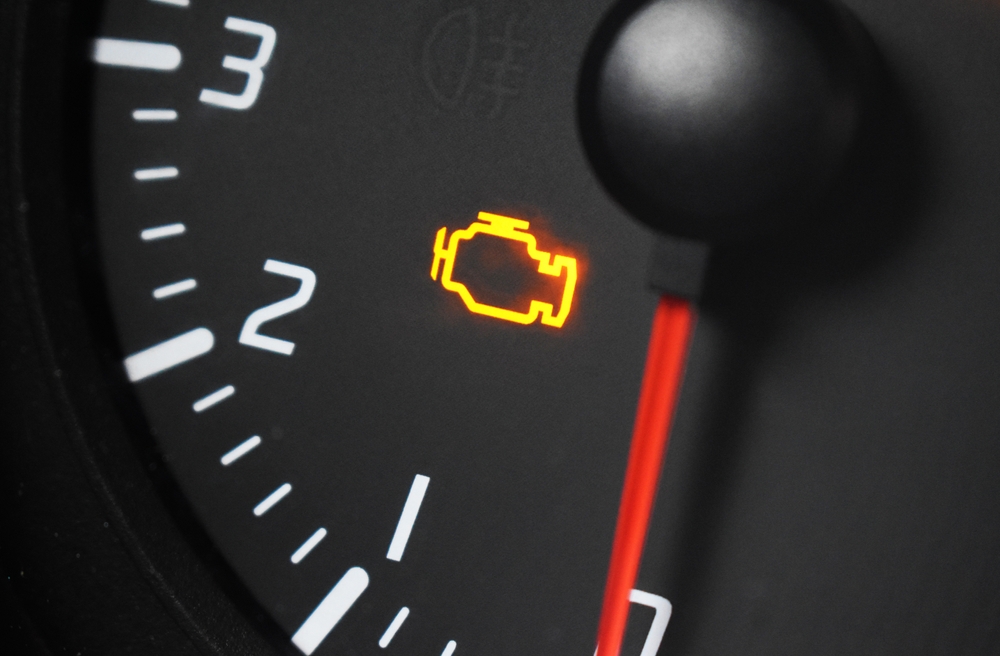
You’re halfway home when something lights up on the dashboard. A small amber symbol shaped like an engine.
The car still feels fine. No strange noises. No loss of power. Nothing to suggest you’re about to grind to a halt.
The engine management light means your car has detected a fault in the engine, emissions or a related control system
But now you’ve seen it, you’re watching it instead of the road ahead. Can you keep driving? Is something about to fail? Are you making things worse with every mile?
And then comes the question nobody particularly wants to ask: how much is this going to cost?
That’s usually the point where the phone comes out and the search begins: engine management light meaning.
The engine management light means your car’s onboard diagnostic system has detected a fault that can affect the engine or emissions-control system. The warning itself doesn’t identify the cause. Diagnostic information stored by the vehicle gives a technician a starting point, but further testing may be needed to establish what has actually gone wrong.
The good news? Taking the warning seriously is the right instinct.
Below, you’ll find out why the engine management light exists, what it’s telling you, what’s widely reported to trigger it, and what to do next.
The Monitoring System Behind Your Engine Management Light
Onboard diagnostic systems for emissions control became mandatory on most petrol and diesel passenger cars in the early 2000s. The engine management light is the way that system alerts you to a potential issue.
At the heart of it is the engine control module (ECM), the computer managing functions such as fuelling, ignition, and emissions. It reads sensors across several key areas, including:
- Engine performance
- Fuelling
- Ignition
- Emissions
- And more…
If the system detects a fault or operating condition outside its expected parameters, it can store a diagnostic trouble code (also known as a fault code) and, where appropriate, illuminate the engine management light.
This is where drivers get caught out. Nothing about the engine management light names the fault. All the module has done is record that something happened, and the investigation falls to an expert technician.
Put another way, the engine management light meaning is this: Your car has detected a fault or condition that calls for expert investigation. Flagging the problem is the easy bit; finding the root cause takes the skill.
It’s why “What does the engine management light mean?” is such a common search.
Searched for the check engine light meaning instead? “Check engine light” is the term commonly used in North America for what UK drivers generally call the engine management light.
Steady Amber and Flashing: Two Very Different Messages
The engine management light isn’t equally serious on every occasion. How it behaves can be a clue to how promptly to act.
Steady amber first. Not every vehicle uses the same warning strategy; colour, behaviour, and the manufacturer’s own guidance can differ from one car to the next.
In many cases, a steady light points to a fault somewhere in engine performance, emissions, or a related control system. Contact your garage as soon as possible, tell them what the dashboard is showing and how the car feels, then take their advice.
Here’s where it can get more serious. On some vehicles, a flashing engine management light is a different conversation.
On vehicles that use a flashing light, it can indicate a fault that’s happening while you drive. The classic case is a severe misfire: fuel not burning as it should inside one or more cylinders. Fuel that hasn’t burnt can end up in the catalytic converter, the part of the exhaust system that cleans up harmful gases, and it can overheat that converter badly enough to cause costly damage.
Not every vehicle uses a flashing engine management light, and warning strategies vary, so check the vehicle handbook and follow the manufacturer’s guidance. If the light is flashing and you’re unsure what it means, avoid continuing to drive unnecessarily, stop somewhere safe and contact a garage or recovery provider for advice.
Some manufacturers use a different warning colour or additional warnings for a more serious engine-related fault, and some vehicles show a short message beside the engine management light.
Not sure which you’re looking at?
Call our experts at PD Motors, Billingshurst, today, describe what’s on the dashboard, and we’ll talk you through the best next step.
Widely Reported Triggers for the Engine Management Light
There’s a long list of potential triggers, because the onboard system is monitoring engine operation, fuelling, and the emissions-related systems. Each one deserves to be taken seriously.
A few of the more widely reported engine management light causes include:
- Oxygen sensor faults: Fitted in the exhaust, the oxygen sensor tells the engine management system how much oxygen remains in the exhaust gases, and the system uses that signal when controlling the fuel mixture. If the signal is inaccurate or missing, it can affect the way the engine management system controls fuelling, potentially increasing fuel consumption and triggering the engine management light.
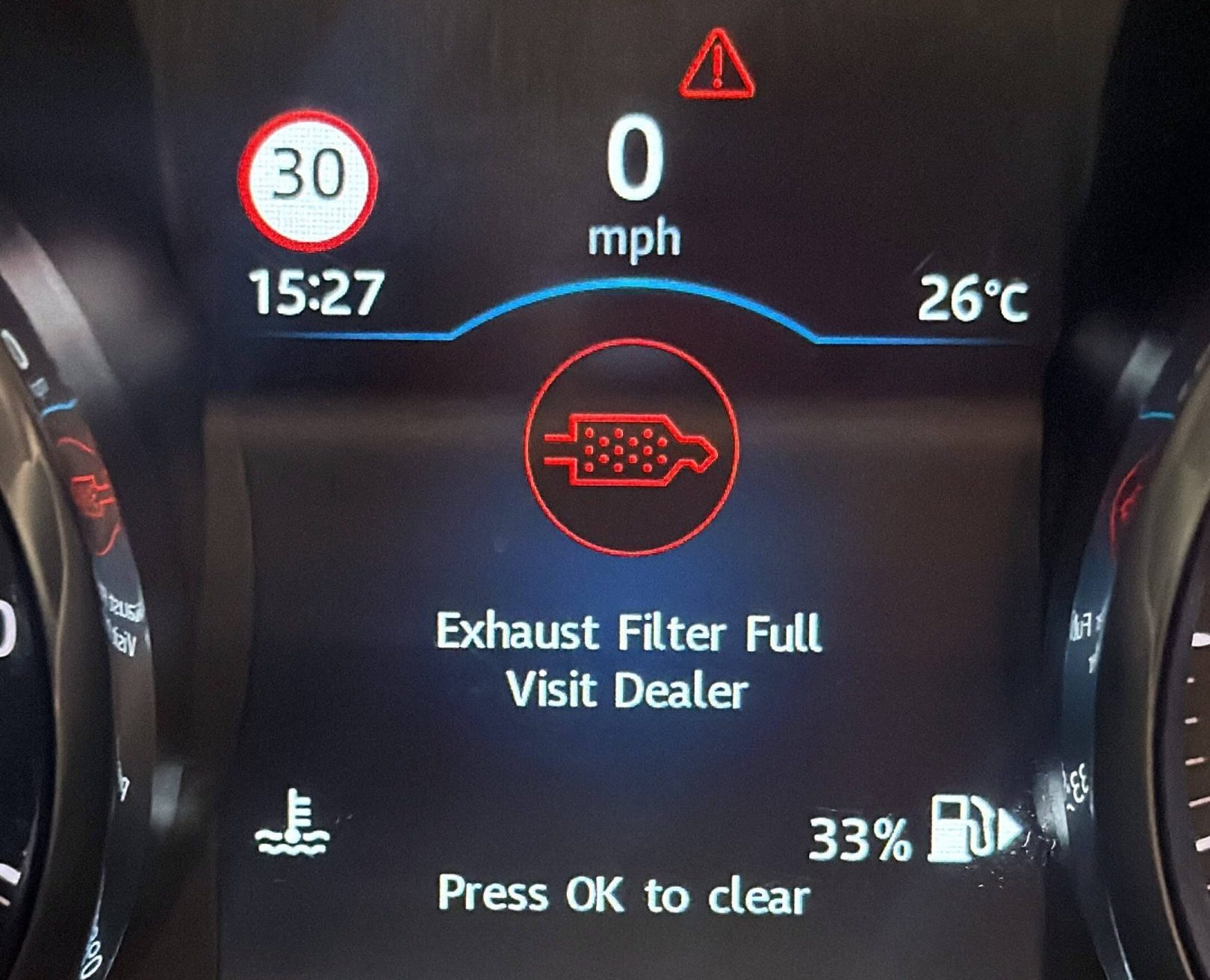
- Catalyst and emissions system faults: Harmful gases are reduced by the catalytic converter before they reach the tailpipe, which is why a fault affecting it can bring the engine management light on. Diesel owners can face a further widely reported trigger: a restricted diesel particulate filter, the filter that traps exhaust particulate (soot).
- Misfires: A cylinder that isn’t burning its fuel as it should is a misfire, and in many petrol engines the cause can be worn spark plugs or faulty ignition coils (the parts that create the spark). Diesels can misfire too; an injector fault is one possible cause. On vehicles that use a flashing engine management light, a misfire is among the faults that can trigger it.
You’ll find those three among the most common reasons, but they’re a selection rather than the full list. Other engine management light causes range from a loose connection to a single sensor that’s starting to fail.
So which applies to your car? The next section explains why answering “what does the engine management light mean for my car?” takes more than reading a fault code. If your warning has appeared, our experts at PD Motors, Billingshurst, can trace what’s behind it.
Can a Fault Code Explain the Cause of the Warning Light?
Reading a fault code from the engine management system is one job. Explaining why it’s there is another.
Here’s the bit that matters for the engine management light meaning. A fault code shows where the control module detected a problem, not necessarily the component responsible. Behind one code, there can be several possible causes, from a worn part to a faulty sensor somewhere else in the system.
That’s why fitting whichever part a fault code appears to name is an approach we wouldn’t take. If the true fault sits elsewhere, the engine management light is likely to come back, plus the cost of a part that wasn’t needed.
At PD Motors, Billingshurst, our technicians treat a fault code as one clue in a structured investigation, not the answer.
Ignoring the Warning or Clearing It: Why Neither Pays Off
An engine management light comes on because the vehicle has detected a fault that needs to be investigated by an expert.
Some faults can cause further problems if they’re left unresolved, while others may not. That’s why the cause of the warning needs to be established rather than judged from the light alone.
An illuminated engine management light can also affect the MOT. On vehicles where the engine malfunction indicator lamp forms part of the test, a lamp indicating a malfunction is classed as a major defect.
It’s also worth avoiding having the engine management light cleared before the cause has been identified. Clearing it can wipe valuable information that may help a technician understand why the fault occurred.
If the warning comes back after a reset, some of that information may have gone.
With the engine management light on, leave the stored data alone and get in touch with PD Motors, Billingshurst.
Your Technical Evaluation at PD Motors, Explained

Professional diagnostic equipment helps technicians investigate the cause of an engine management warning light
Before anything else, we talk. Our team at PD Motors begin every engine management light investigation by asking questions like: What have you noticed? When did the engine management light first come on? Has the car felt any different to drive? And other relevant questions.
Your answers give the investigation its direction.
Next comes a structured technical evaluation, led by our technicians’ experience and supported by dealer-level technology and technical information. Stored fault codes and data feed into it, but reading what they point to, rather than taking them at face value, is where the skill sits.
With the root cause identified, we call you to explain what we’ve found, what needs doing, and what it costs, before any work begins.
Where a repair is needed, our technicians complete it. After the repair, we’ll carry out the appropriate checks and any reset, relearn or calibration procedures required for that vehicle, confirm the engine management light has stayed off, and make sure the affected system is behaving as it should.
For a clear idea of what to expect, call PD Motors on 01403 786211.
Why Drivers Choose PD Motors, Billingshurst
Faults across the engine, fuelling, ignition, and emissions systems, along with a range of related control systems, can all trigger an engine management light.
Reaching the root cause means interpreting stored data, cross-referencing manufacturer information, and ruling possibilities out on the evidence, which is where hands-on experience with these systems counts.
Our expert technicians combine that experience with manufacturer technical information and the appropriate diagnostic equipment to investigate engine management light faults for drivers across Billingshurst, Horsham, Pulborough, and beyond.
When you bring your car to us, you’ll benefit from:
- Experienced technicians who investigate engine management light faults on a wide range of makes and models.
- Manufacturer technical information and the right equipment, used by technicians who know how to interpret the results.
- A 12-month parts and labour guarantee on the work we carry out.
- A courtesy car, so you can keep moving while your car is with us.
- Clear, honest communication from your first call to the finished repair.
Join {{review-count}} other local drivers who’ve rated us {{average-rating}} stars on Google for friendly service, expert repairs, and clear, honest advice.
Call us at PD Motors, Billingshurst, today on 01403 786211 to book your technical evaluation and find out what’s behind the engine management light on your car.
Call Now 01403 786211Save on Servicing
FAQ
Is the check engine light the same as the engine management light?
Yes. If you’ve looked up the check engine light meaning, that’s the term commonly used in North America, and it’s wording UK drivers often come across online. Over here, the same warning is generally called the engine management light. Either way, the next step is to have an expert technician investigate it.
Can I keep driving with the engine management light on?
With a steady engine management light, the answer is to arrange prompt attention rather than carry on regardless: contact your garage as soon as you can, describe what you’ve noticed, and act on their advice. On vehicles that use a flashing light, it can indicate a more serious fault: check the handbook, follow the manufacturer’s guidance, and if you’re unsure, stop somewhere safe and ask a garage or recovery provider for advice.
How much does it cost to fix an engine management light fault?
The cost of fixing an engine management light fault hinges on what our technicians find behind it. Rather than put a figure on it before we’ve looked, we investigate first, then explain what we’ve found and what the repair costs are before any work starts.
Will the engine management light switch off on its own?
On occasion, yes. The light can switch off if the system no longer detects the fault condition. That doesn’t necessarily mean the underlying cause has been resolved, and diagnostic information may still be stored, so it’s worth getting advice from your garage if the warning has appeared.