How Car Brakes Work
You press the brake pedal, and the car slows. The response comes the moment you ask for it, and it takes almost no effort from you.
On most cars, a hydraulic braking system does the work between your foot and the brakes at the wheels. It uses brake fluid under pressure to transfer the force from the pedal to the brakes. In this guide, we’ll explain how that system works, using a common set-up with disc brakes at all four wheels.
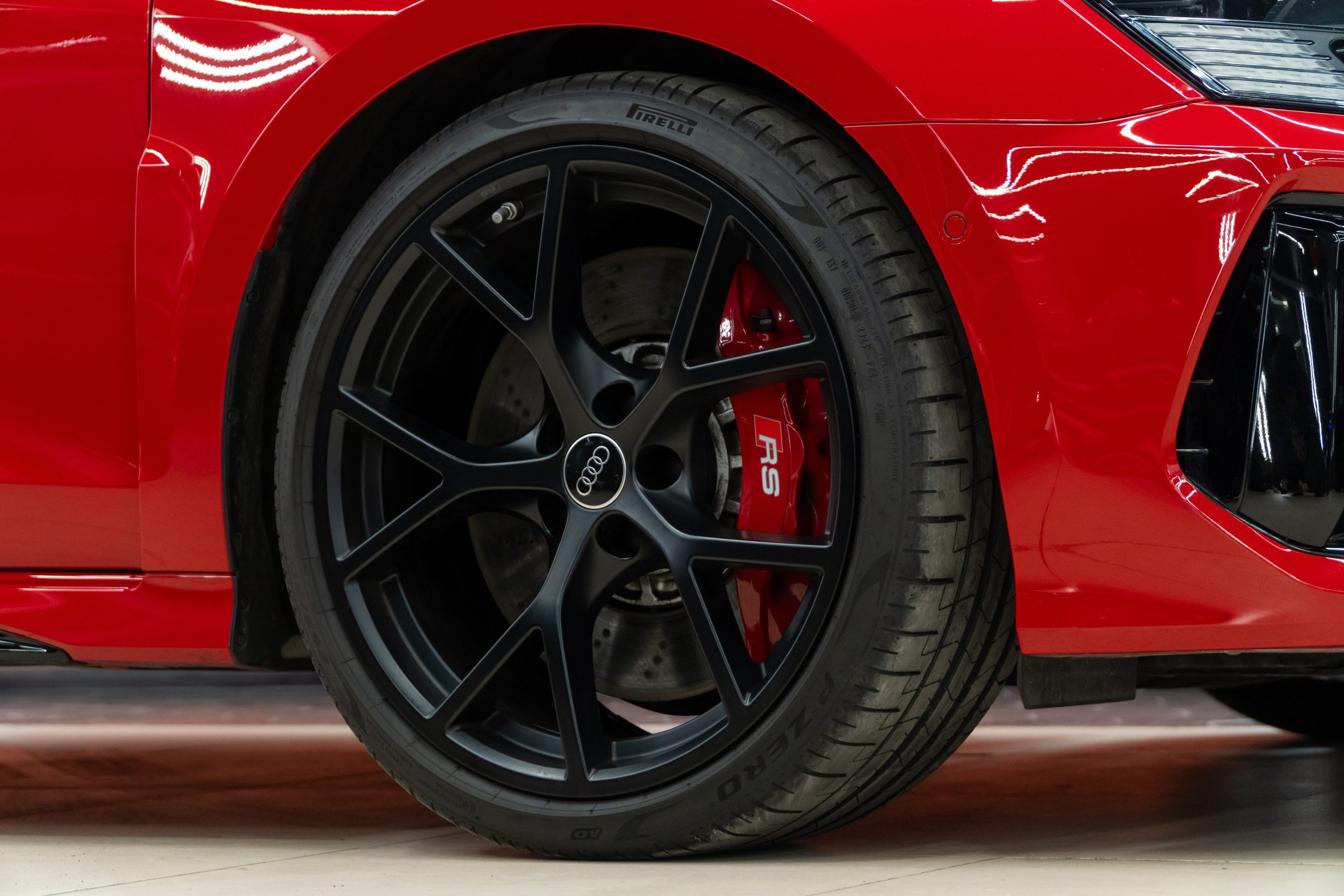
Disc brakes use callipers and brake pads to create the friction needed to slow the car
But how can you tell when something in your braking system starts to deteriorate?
It might be an unfamiliar noise, a warning light you weren’t expecting, or a brake pedal that no longer feels the way it should.
A hydraulic system sits between your foot and the wheels. The booster multiplies your effort at the pedal, the master cylinder turns that into fluid pressure, and the brake lines deliver it to a calliper at each wheel. Each calliper clamps its pads onto a spinning disc, friction slows the car, and ABS helps prevent the wheels locking.
All of that takes place in a split second.
Perhaps you’ve asked yourself, “How do disc brakes work?” or “How does ABS work?” Perhaps you’ve wanted the car braking system explained, or found a brake warning light on the dashboard and wondered what it meant. Whichever it is, this guide sets out how car brakes work, from start to finish.
How Pressing the Brake Pedal Operates Your Brakes
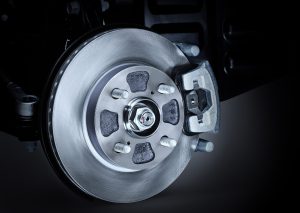
The calliper presses the brake pads against the spinning disc, creating the friction that slows the wheel
When you press the brake pedal, the braking system uses the force from your foot to create hydraulic pressure, which operates the brakes at the wheels.
Other configurations are used too, including cars with disc brakes at the front and drum brakes at the rear. The basic hydraulic principle is similar, but the components that create the braking force at the wheel are different.
Here’s what happens in a four-wheel disc-brake system:
- Brake pedal: Your foot presses the brake pedal, applying force to the braking system.
- Brake booster (servo): This sits between the brake pedal and master cylinder and increases the force from your foot, so much less effort is needed from the driver. Many cars use a vacuum-assisted booster, although other forms of brake assistance are also used.
- Master cylinder: Pistons inside it pressurise the brake fluid, turning the assisted force into hydraulic pressure.
- Brake fluid: A specially formulated hydraulic fluid that transmits pressure through the braking system and is very difficult to compress.
- Brake lines and hoses: Hydraulic pressure is transmitted through the brake fluid in a network of rigid pipes and flexible hoses to the brakes at each wheel.
- Brake callipers: A calliper sits over each brake disc. Hydraulic pressure acts on the piston or pistons inside, causing the calliper to press the brake pads against the disc.
- Brake pads: These sit inside the calliper and provide the friction needed for braking. When you press the brake pedal, the calliper pushes them against the turning disc.
- Brake discs: Mostly made from cast iron, the brake discs are mounted to the wheel hubs. Friction between the pads and spinning discs slows the wheels and, in turn, the car.
All of those stages happen in the time it takes your foot to travel a few centimetres. That’s the car braking system explained in the order it happens.
Press the brake pedal harder, and the hydraulic pressure rises, so the pads press against the disc more firmly. Lift your foot, and the pressure decreases, the pads ease off the disc, and the wheel turns freely once again.
Brake Discs: How They Take the Friction and How They Wear
Disc brakes sit at the heart of how car brakes work. If you’ve asked, “How do disc brakes work?” the short answer is friction. Most brake discs are cast-iron plates, sitting at each wheel hub, and braking presses the pads against them.
Each time you brake, friction between the pads and discs generates heat, and both surfaces gradually wear with use.
As brake disc wear develops, some drivers may experience:
- Surface scoring: Grooves and marks across the disc face. Several things can bring these on, including abrasive particles, corrosion, or uneven pad wear altering how the pad and the disc meet.
- Judder or vibration: This can sometimes be caused by variation in the disc’s thickness or other problems affecting how the disc runs.
- Heat stress: Repeated heavy braking generates very high temperatures. Over time, heat and wear can affect the condition of the braking surfaces and may contribute to judder or vibration when you brake.
Braking consistency can suffer on a disc that’s heavily worn or damaged, and the pads may no longer contact the surface as effectively. Driving style, road conditions, stop-start traffic and the type of brake materials fitted all influence the rate at which that wear develops, amongst other things.
If you’ve felt a vibration or pulsing when you brake, speak to our expert technicians at PD Motors, Billingshurst, and they can assess your braking system and establish what’s causing it.
Brake Pads: The Friction Material and When It Wears Down
At each stop you make, your brake pads come into direct contact with the brake disc.
Brake pads are made from specially formulated friction material designed to withstand the heat and forces generated during braking. That friction material wears down with use, and the brake pads eventually need to be replaced.
One or more built-in warning systems may be fitted to help indicate when brake pads are wearing low, such as:
- Audible squealer strip: This is a small metal tab fitted to the brake pad. Once the friction material wears down enough, the tab contacts the brake disc, producing a high-pitched metallic squeal.
- Electronic wear sensor: Some brake pads have a sensor that triggers a dashboard warning once wear reaches a set point.
Not every car uses the same warning system. Some have a mechanical wear indicator, some use an electronic sensor, and others may have neither.
So, how do you know when your brake pads need attention?
Some cars have built-in warnings as the pads wear, but there are also changes you might notice while driving that mean the braking system should be checked, including:
- A grinding or scraping noise when you brake.
- Brakes that respond differently from the way they used to. More than one thing can cause that, so it’s worth getting the braking system looked at.
- A brake pad wear warning on the dashboard, where an electronic wear sensor is fitted.
Worn brake pads left in place can damage the brake disc surface, and that can lead to more extensive and more expensive brake work.
Book an appointment with our experts at PD Motors, Billingshurst, who can measure the remaining friction material and tell you when to replace brake pads, or whether they still have usable life left.
Brake Fluid: Why Moisture Can Change the Way Your Brakes Feel
Brake fluid is the hydraulic medium at the centre of your braking system. Its job is to transmit pressure. Press the brake pedal and the master cylinder creates hydraulic pressure, which the brake fluid transmits through the brake lines to the callipers at each wheel.
Over time, brake fluid gradually absorbs moisture from the air. As the moisture content increases, its boiling point falls.
Why does that matter? Every time you brake, friction between the brake pads and discs generates heat. During heavy or repeated braking, that heat can build considerably. Some of it transfers into the braking system and can heat the brake fluid.
Fresh brake fluid is designed to cope with high temperatures. But as it absorbs moisture and its boiling point falls, it can boil at a lower temperature. If that happens, vapour bubbles can form in the fluid.
That’s a problem because brake fluid and vapour behave very differently under pressure. Brake fluid is very difficult to compress, while vapour compresses much more easily. Instead of all the pressure from the master cylinder being transmitted effectively through the system, some of the pedal movement can go into compressing that vapour. The result can be a soft or spongy brake pedal and reduced braking performance.
Moisture absorbed by the brake fluid can also contribute to internal corrosion within parts of the hydraulic braking system.
Most manufacturers, therefore, recommend replacing brake fluid periodically. Replacement intervals vary by manufacturer, so your owner’s manual or your garage is the place to check.
Contact our team at PD Motors, Billingshurst, and we can advise whether your brake fluid is due for replacement.
ABS: What Sets It Off and What Happens at the Brake Pedal
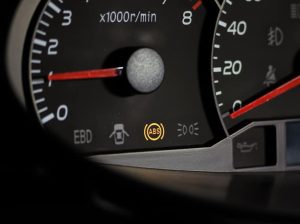
An ABS light that stays illuminated while driving can indicate a fault with the anti-lock braking system
ABS stands for Anti-lock Braking System, and you’ll find one on most modern passenger cars.
Its role is to help prevent the wheels from locking under hard or emergency braking, helping you maintain more steering control.
Heavy braking on a car without ABS can sometimes cause one or more wheels to lock, and surfaces with reduced traction make that more likely. With a wheel locked, steering control is greatly reduced, and ABS exists precisely to prevent that.
Ever wondered “How does ABS work?” Speed sensors monitor how quickly each wheel is turning. If the system detects that a wheel is slowing so rapidly that it’s about to lock during braking, ABS can respond in milliseconds:
- It registers a wheel that’s slowing so rapidly it may be about to lock.
- It eases the brake pressure at that wheel, just enough for it to turn again.
- It restores the pressure almost straight away, then repeats the cycle many times a second.
So what does ABS activation feel like when you’re driving?
A rapid pulsing or vibration may come up through the brake pedal, and you may hear a clicking or buzzing noise as the system operates. During ABS activation, those sensations and noises can be completely normal as the system rapidly adjusts the braking pressure.
An ABS warning light that comes on and stays on during normal driving is a different matter. It tells you the system has detected a fault, and a technician should look at it.
Brake Warning Lights: Which One Is Showing and What to Do
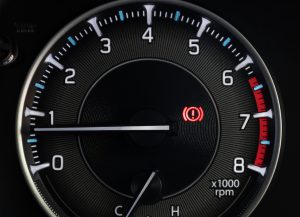
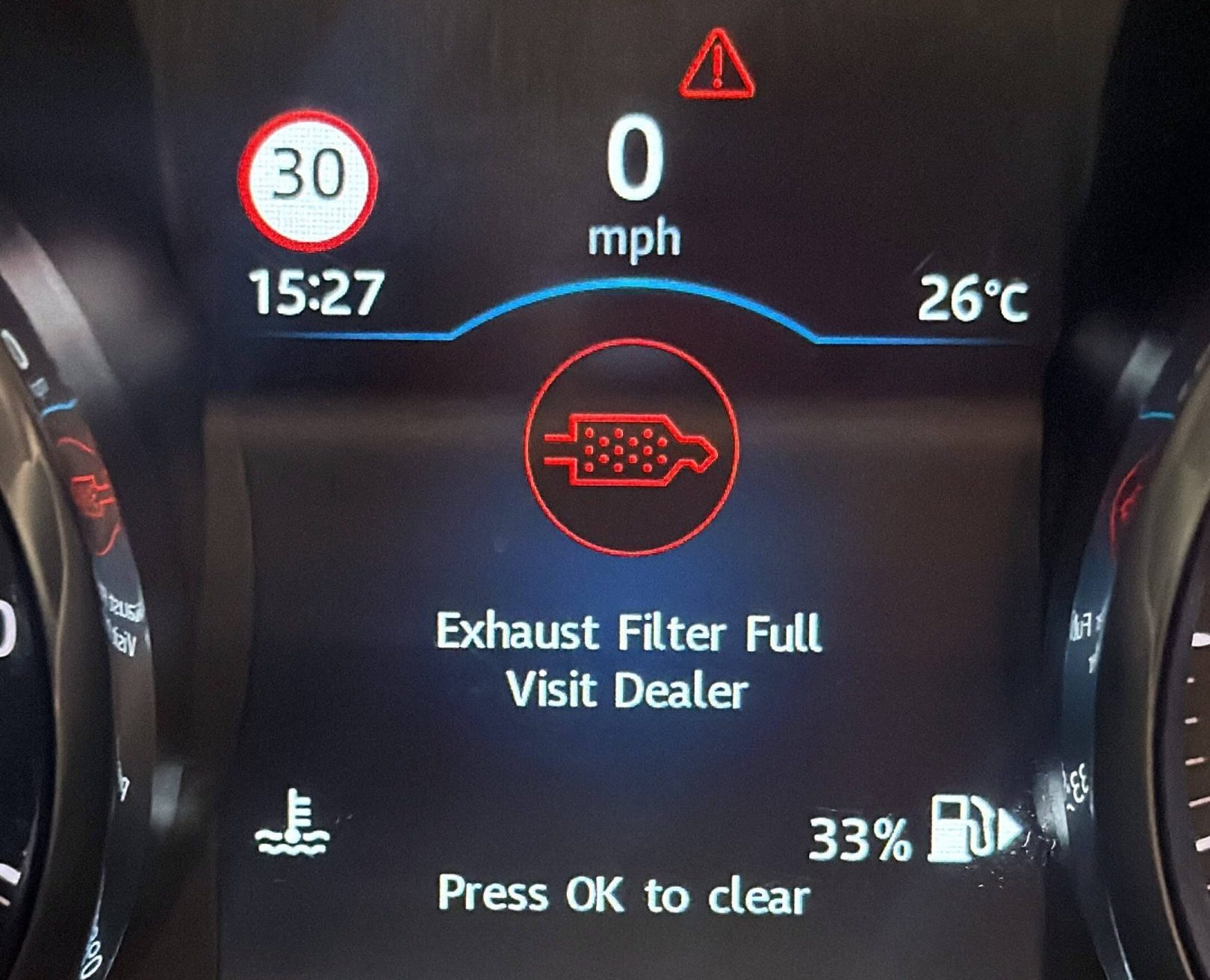
A brake warning light can indicate anything from an engaged parking brake to a fault that needs attention
Brake warning lights or messages on the dashboard don’t always carry the same meaning. Most cars carry more than one alert, and each of them can point to different issues.
Some of the brake warnings drivers may see include:
- Brake pad wear warning: Where a vehicle has an electronic wear sensor fitted, pad wear past a set point makes that sensor raise a dashboard warning. If it’s a pad wear warning and the brakes otherwise feel normal, arrange to have the car checked as soon as you can.
- Handbrake or brake system warning: There are several reasons this light can appear. Depending on the vehicle system, applying the parking brake may be enough to bring it on, and a braking system issue, such as low brake fluid or a sensor fault, can sit behind it too. If the warning stays on after the parking brake has been released, or appears while you’re driving, follow the manufacturer’s guidance and don’t ignore it.
- ABS warning light: This one coming on and staying on during normal driving means the Anti-lock Braking System has detected a fault. An ABS fault doesn’t necessarily mean you’ve lost normal braking, but the anti-lock function may not be available. Follow the manufacturer’s guidance and have the fault assessed promptly.
If a brake warning appears while you’re driving, check what the warning means in your vehicle’s handbook and follow the manufacturer’s guidance. If braking feels different, the pedal becomes soft, braking performance drops or a red brake-system warning remains on, don’t simply carry on driving and hope it clears. Stop somewhere safe and seek advice.
Every brake warning light is worth taking seriously.
Contact our expert technicians at PD Motors, Billingshurst, who can establish which warning has come on and set out your options.
Why a Brake Inspection Occurs During a Service
Some parts of your car’s braking system are designed to wear with use. Brake pads and discs gradually wear as they’re used, while brake fluid can absorb moisture over time.
As part of a full vehicle service at PD Motors, our technicians inspect the braking system, including brake pad thickness, brake disc condition and the visible condition of the brake lines and hoses. We also check the brake fluid and any relevant warning lights.
The important thing is this: your brakes are one of your car’s most important safety features, and understanding how car brakes work underlines why keeping them in good order protects you, your passengers and everybody else on the road.
If the brake pedal feels different, the brakes are making an unfamiliar noise, or something simply doesn’t feel right when you brake, get booked in with our team at PD Motors, Billingshurst.
Why Drivers Choose PD Motors, Billingshurst for Their Brake Inspections, Servicing and Repairs
Your car’s braking system is one of its most important safety systems, which is why you want it inspected and repaired by people who know what they’re looking at.
Our technicians bring hands-on experience, backed by dealer-level information and equipment where the vehicle and braking system require it.
Choose PD Motors, and you benefit from:
- A 12-month parts and labour guarantee across brake servicing and repair work.
- A courtesy car, so your week carries on while your car is with us.
- Experienced technicians who inspect, maintain and repair braking systems across a wide range of makes and models.
- Costs agreed with you before we begin, and clear updates while the job is underway.
Join {{review-count}} drivers from Billingshurst, Horsham, Five Oaks, Worthing, Pulborough and the surrounding areas. Their Google reviews put us at {{average-rating}} for accurate brake work, clear explanations and fair value.
An unfamiliar noise, a warning light, or a brake pedal that doesn’t feel as it should all deserve a look. Speak to PD Motors, Billingshurst, on 01403 786211, and we’ll arrange an appointment.
Call Now 01403 786211Save on Servicing
FAQ
How do car brakes work?
Most cars use a hydraulic braking system, although the exact set-up varies between vehicles. When you press the brake pedal, the brake booster helps increase the force from your foot. The master cylinder uses that force to create hydraulic pressure in the brake fluid, which transmits that pressure through the brake lines. At each disc brake, the calliper presses the brake pads against the spinning disc, and the friction between them slows the car. ABS (Anti-lock Braking System) helps prevent the wheels from locking under hard braking.
How do I know when to replace brake pads?
There are several signs that your brake pads or braking system may need attention. A high-pitched metallic squeal can be a built-in wear indicator, while vehicles with electronic wear sensors may display a brake pad warning. Grinding, scraping or any noticeable change in braking should also be investigated, as these can indicate a problem elsewhere in the braking system. If any of that sounds familiar, it’s worth booking a brake assessment with PD Motors, Billingshurst.
Why does my brake pedal feel soft or spongy?
A brake pedal that feels soft or spongy has several possible causes. Moisture in the brake fluid can lower its boiling point, making vapour more likely to form if the fluid gets very hot. Air in the system, a hydraulic leak, or a fault with a component such as the master cylinder could also be responsible. Any of these can affect braking performance and make it harder to stop the car safely. If the brake pedal feels different underfoot, get the braking system looked at promptly. Our team at PD Motors, Billingshurst, can assess the system and establish what’s causing it.
What does it mean when the brake warning light comes on?
A brake warning light could mean a number of things. One possibility is a brake pad wear warning, which indicates that the pads need to be checked. A brake system warning may point to low brake fluid, the parking brake, or a fault elsewhere in the braking system. If a red brake system warning stays on while you’re driving, or the brakes feel different from normal, follow the manufacturer’s guidance and seek advice rather than ignoring it. Our experts at PD Motors, Billingshurst, can identify the cause and advise you on the next step.